





How this started
Some people pay a gym to help them lose weight. I’d happily pay one to help me find some.
Anyone close to me knows I barely eat twice a day. It’s not that I don’t care about food. I try to eat healthy. But eating well isn’t just about what’s on the plate. It’s also about eating on time and eating enough, and that’s where I’ve struggled for years. While my friends were counting calories, I was forgetting lunch.
At home, “What are we eating today?” came up several times a day, most days of the week. Half the time, the answer was already in the fridge. But by day three of the same stew, nobody wanted it anymore. We’d gotten used to the taste and wanted something different.
Jim Rohn, one of my favorite teachers, used to say, “Don’t start your day until you have it finished.” Earl Nightingale put it even simpler: “We become what we think about.” I had been thinking about everything except food.
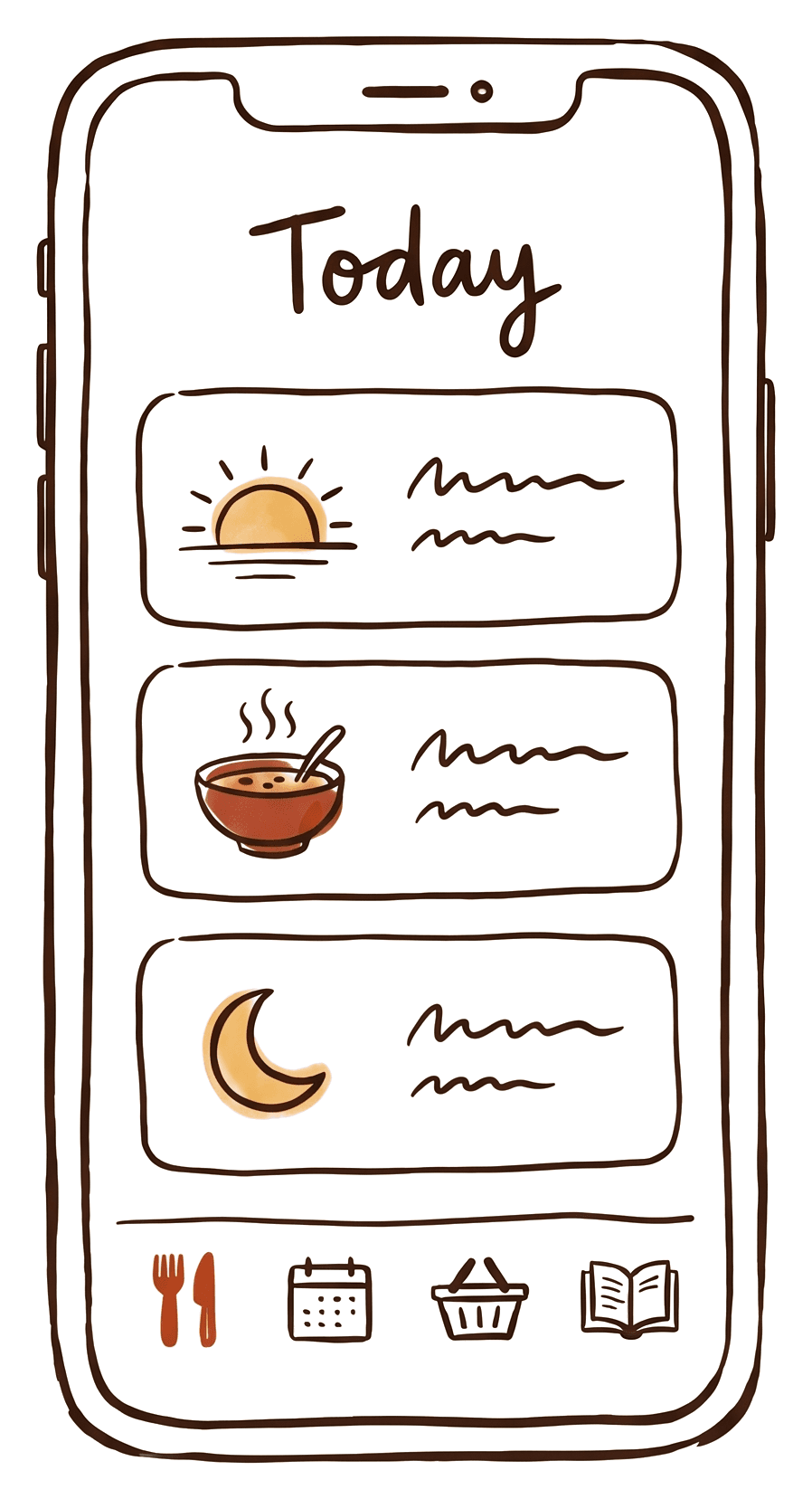
So I started planning it. I wrote down every dish I actually eat, from amala and ogbono to oatmeal and Peak milk, and turned it into a two-week rotation with enough variety to keep things interesting. I cook on Saturday and eat from it all week. There’s nothing left to decide at 2 p.m. on a busy day, when skipping a meal feels like the easy answer.
The family eats from the same pots, and one night every two weeks is set aside for learning something new.
It worked for me.
Whether you’re trying to gain, lose, or just stop asking, “What are we eating today?” success starts with a plan. And the plan only ever has to cover today.